Sepsis & septic shock (no)

About
This animated medical lecture breaks down the topic of sepsis into a clear, engaging visual journey. It explains the pathophysiology, clinical features, and treatment principles in a concise, accessible way designed for medical students and early-career doctors. Through dynamic 3D visuals and narration, it helps learners visualize this concept for use in a real world clinical setting.Specifications
Director Biography
Taim Dawod is a medical doctor and educator who started his YouTube channel TaimTalksMed during his very first semester of medical school as a way to help himself study. Over time, the videos he made for his own learning began to reach other students, and he kept creating more. While completing his medical studies, Taim taught himself animation and combined it with his growing knowledge in medicine to produce visually rich, structured lessons. Today, his channel continues to help learners in anatomy, physiology, and clinical medicine. Director Statement I created my first educational videos purely to help myself understand what I was learning in medical school, but as they began helping others, I realized how powerful visuals and storytelling can be in medical education. While studying medicine, I learned animation and developed a style that turns difficult topics into clear, engaging lessons. My goal is to make difficult topics, such as sepsis, approachable and memorable, so that students not only pass exams but truly understand the medicine behind them.Pedagogical value
This animated educational film was created as part of my ongoing project to make medical concepts visually clear and accessible to medical students and earlyyear doctors. It was designed to supplement traditional lectures and textbooks by providing a structured narrative with dynamic visuals, allowing learners to see pathophysiology and clinical reasoning step by step. The video is used as part of online teaching activities through my channel TaimTalksMed, where students are encouraged to pause, take notes, and revisit segments as needed. Viewers frequently use it alongside their university curriculum and report improved understanding of the topics I’ve covered. While it is part of my larger educational initiative on YouTube, the film operates independently and can stand alone as a teaching resource. Its potential for pedagogical use lies in its combination of accurate medical content, visual storytelling, and clear explanations that engage learners and help them retain core principles of diagnosis, symptoms, and treatment.Info
Screenings
Read about the other selected films
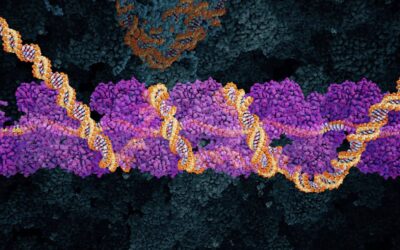
Dna break repair by homologous recombination (au)
Homologous recombination is crucial in repairing double-strand breaks in DNA, correcting errors, and maintaining genomic integrity. This animation highlights the role of BRCA1 and BRCA2 in DNA break repair in homologous recombination. Designed to support outreach on WEHI research into breast cancer and provide world-class education materials on foundational cell biology topics.
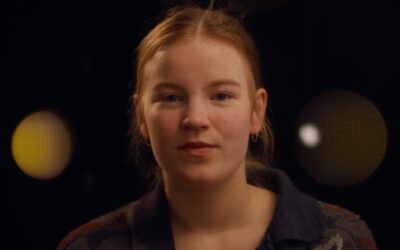
Things that keep me up at night (se)
Thirteen young people from six different countries share the innermost thoughts that keep them up through the night. Videos of baby elephants, the fear of dying, of girls, and of losing someone you love. Things we rarely talk about, but often have in common.
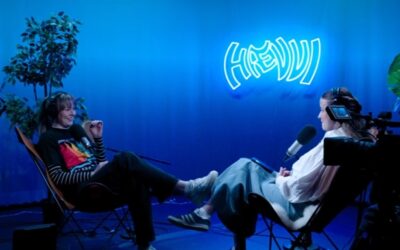
Southern sami identity (no)
Identity is shaped by, among other things, a shared language, culture, and history. This short documentary offers insight into how two Southern Sami sisters perceive their identity, what they take pride in and the challenges they navigate. It is a story of how belonging to a minority can be both empowering and demanding. It comes with certain expectations – from the Southern Sami community, from Norwegian society, and from the sisters themselves.


Hansine Hansens veg 18, 9019 Tromsø