
Ballad of the mountain (in)

About
An outcast girl must fight the bullies and overcome her fears to pursue her ambition to fly to the other side of the mountain.Specifications
Pedagogical value
Ballad of the Mountain is not only a short film but also a learning tool that invites students to reflect on resilience, imagination, and social inequality. The story of a young outcast girl in the Himalayan hills who dreams of becoming an astronaut provides an entry point into discussions about gender, exclusion, opportunity, and the power of imagination. The film can be placed within a critical pedagogy framework, encouraging learners to question why certain voices remain unheard and how social structures shape access to dreams. At the same time, it fosters empathy and emotional literacy, allowing students to step into the protagonist’s world and experience her longing. Finally, it highlights imagination as agency, showing that even in adverse conditions, the act of dreaming is itself transformative. Teachers and facilitators can use the film in multiple ways: guided discussions, reflective writing, visual analysis, and creative group projects where students design their own “impossible dreams.” It adapts across age groups—from primary students drawing their dream spaceships to university classes analyzing the film’s cultural and cinematic language. It also pairs well with global texts like Wadjda or Billy Elliot, opening comparative conversations about childhood resilience. While the film resonates with broader initiatives such as Shaping the Future (a project amplifying children’s voices), it also works independently. It can be used in schools, community workshops, or higher education, linking to subjects like social studies, gender, film, or global citizenship. Ultimately, Ballad of the Mountain offers students not just a story to watch, but a mirror for their own aspirations. It teaches that every child, no matter how marginalized, carries a universe of dreams worth listening to.Director Biography
Tarun Jain’s career has been punctuated by a myriad of projects and the creation of four impactful short films.Info
Screenings
Read about the other selected films
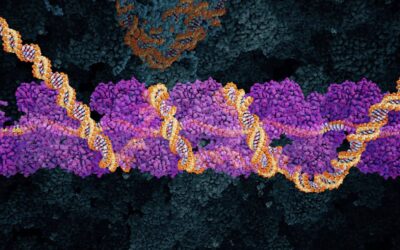
Dna break repair by homologous recombination (au)
Homologous recombination is crucial in repairing double-strand breaks in DNA, correcting errors, and maintaining genomic integrity. This animation highlights the role of BRCA1 and BRCA2 in DNA break repair in homologous recombination. Designed to support outreach on WEHI research into breast cancer and provide world-class education materials on foundational cell biology topics.
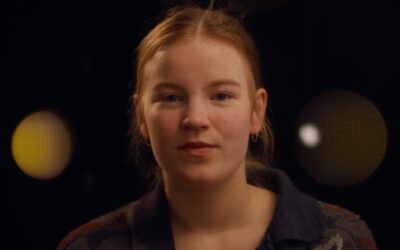
Things that keep me up at night (se)
Thirteen young people from six different countries share the innermost thoughts that keep them up through the night. Videos of baby elephants, the fear of dying, of girls, and of losing someone you love. Things we rarely talk about, but often have in common.

Southern sami identity (no)
Identity is shaped by, among other things, a shared language, culture, and history. This short documentary offers insight into how two Southern Sami sisters perceive their identity, what they take pride in and the challenges they navigate. It is a story of how belonging to a minority can be both empowering and demanding. It comes with certain expectations – from the Southern Sami community, from Norwegian society, and from the sisters themselves.


Hansine Hansens veg 18, 9019 Tromsø